Krayola Green: A Vibrant Color Font for Modern Design
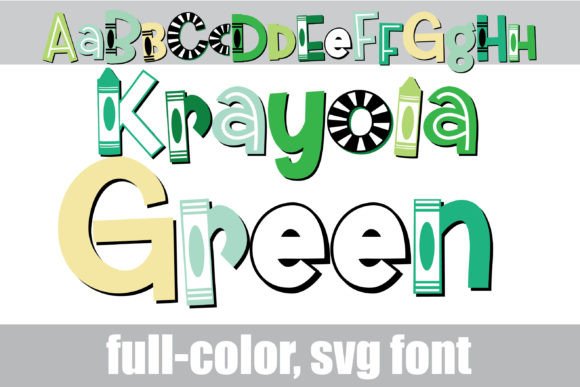
In the search for design assets that truly pop, the Krayola Green color font offers a unique, crayon-influenced aesthetic that instantly injects personality and playful energy into any creative project. This isn't your standard single-color typeface; it's a full-color SVG font rendered in a fresh green palette, providing a textured, hand-drawn feel right out of the box. For designers and creators, it represents a powerful tool for making visual communication more engaging and memorable.
Understanding Full-Color SVG Fonts
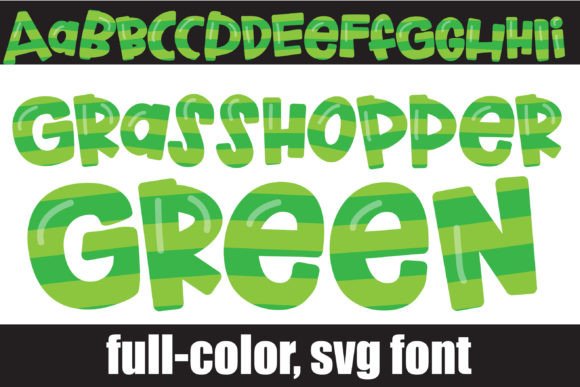
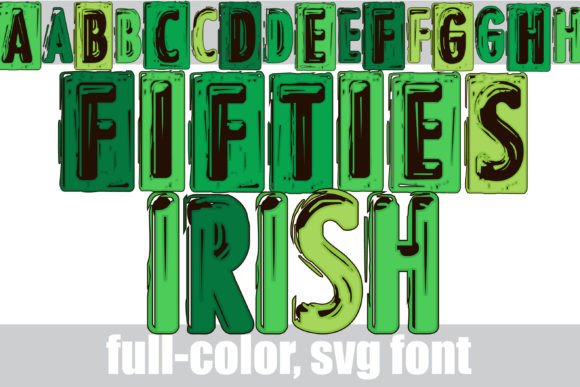
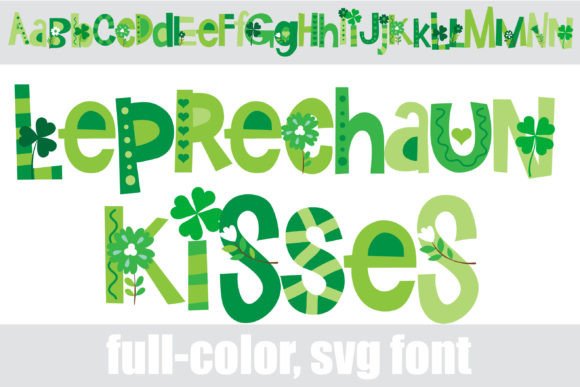
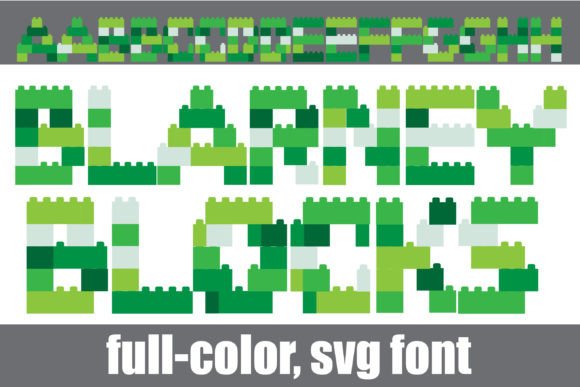
Unlike traditional fonts that rely on a single, solid color, OpenType full-color (SVG) fonts like Krayola Green contain embedded vector graphics. This allows for multiple colors, gradients, and even textures within each glyph. The result is a typeface with immediate visual depth and character. This font also includes an alternate case of additional colors for each letter, accessible through your system's character map or design software's glyph panel, offering fantastic versatility for creative projects.
Installation and Compatibility
Installing Krayola Green is straightforward. As an .OTF file, you install it just like any other font—via FontBook on a Mac or through your font manager or Control Panel on Windows. It's important to note a key compatibility detail: in programs that do not support color fonts, the text will render as solid black. This often happens in font preview windows as well. The true, full-color design becomes visible when you type directly onto your document canvas. Leading design software such as Adobe Photoshop, Illustrator, Silhouette Studio, QuarkXPress, and Inkscape fully support these dynamic SVG fonts.
Practical Applications for Visual Impact
The crayon-style charm of Krayola Green makes it exceptionally versatile across a spectrum of design contexts. Its vector-based nature ensures it scales perfectly from a small social media icon to a large-format print without losing quality.
- Branding & Logo Design: Ideal for brands targeting a youthful, energetic, or eco-friendly audience. It can serve as a primary logo font or a complementary display face for a playful brand identity.
- Marketing & Social Media: Create eye-catching headlines for Instagram stories, Facebook ads, or digital flyers that stand out in a crowded feed. The built-in color saves time in post-production.
- Web & UI Design: Use it for hero section callouts, buttons, or promotional banners to add a burst of creativity and improve user engagement on landing pages.
- Packaging & Merchandise: Perfect for product labels, stickers, or apparel designs where a hand-crafted, authentic feel is desired.
- Editorial & Presentations: Bring life to magazine layouts, blog graphics, or slide decks, making key points more visually memorable and enhancing the overall visual hierarchy.
Tips for Effective Use
To maximize the impact of a font like Krayola Green, consider these design principles:
- Purpose and Audience: Ensure its playful aesthetic aligns with your project's message and target demographic. It excels in contexts calling for fun, creativity, and approachability.
- Visual Hierarchy: Use it primarily for headlines or accent text. Its strong personality can overwhelm body copy. Pair it with a clean, neutral sans-serif for balanced readability.
- Color Coordination: While the green palette is fixed, use the alternate glyphs to introduce complementary colors. Sample hues from the font to build a cohesive color palette for surrounding design elements.
- Context Testing: Always test the font within your actual design environment to ensure compatibility and see the final color rendering. Check scalability for both small and large applications.
Choosing the right typographic asset is a critical decision in the design workflow, directly influencing brand perception and user experience. Krayola Green exemplifies how a thoughtfully crafted color font can do more than convey words—it can express mood, establish identity, and create a distinct visual voice. By leveraging such innovative creative assets, designers and creators can produce work that is not only aesthetically pleasing but also deeply resonant and effective in today's visually driven landscape.