Lime Jello: Vibrant Typography for Modern Design
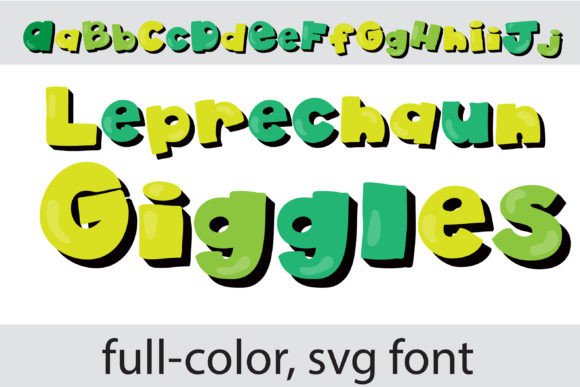
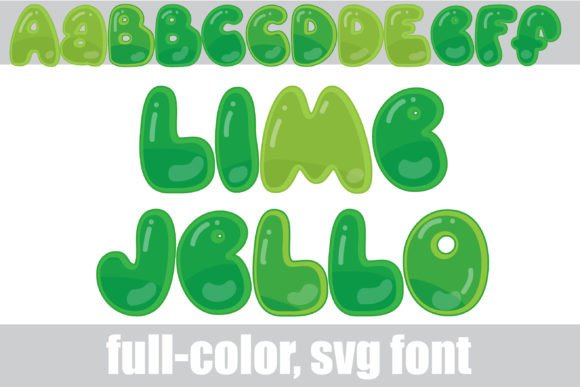
Imagine a font that doesn't just spell out words but makes them pop off the page with a playful, gelatinous texture. That’s the instant visual impact of Lime Jello, a full-color SVG font designed to inject energy and a sense of fun into any creative project. For graphic designers and creators looking to break away from flat, monochrome text, this innovative typography solution offers a direct path to more dynamic and engaging visual communication.
Understanding the Lime Jello Font Technology
Lime Jello isn't just a color; it's a specific type of digital asset known as a full-color SVG font. Unlike traditional fonts that rely on single-color outlines, SVG fonts embed vector graphics and color data directly into the font file. This means each letter can contain multiple colors, gradients, and textures—in this case, a vibrant lime green jelly-like finish. The technology is built on the OpenType format, so installation is as straightforward as adding any standard .otf file to your system's font manager.
A key consideration for designers is compatibility. While these fonts are powerful, they require software that supports the SVG format. Programs like Adobe Illustrator, Photoshop, InDesign, Silhouette Studio, and Quark will display the full-color effect correctly when you type. In non-compatible applications, the font will typically render in solid black, so always test your workflow before committing to a final design.
Practical Applications for Vibrant Typography
The unique aesthetic of a font like Lime Jello opens up a wide array of creative applications where personality and visual hierarchy are paramount. Its playful yet bold character makes it particularly effective in specific design contexts.
- Branding and Logo Design: Perfect for brands targeting a youthful, energetic, or creative audience. It can serve as a distinctive wordmark or a playful accent in a broader brand identity system.
- Social Media Content: Creates instantly eye-catching graphics for posts, stories, and thumbnails, helping content stand out in a crowded feed and improve engagement.
- Packaging Design: Ideal for food products, children's items, or any brand that wants to convey a sense of fun, freshness, and modern aesthetics directly on the label.
- Event Marketing & Merchandise: Excellent for concert posters, festival graphics, or merchandise like t-shirts and stickers where a bold, tactile visual style is desired.
- Digital Products and UI Elements: Can be used for app icons, promotional website banners, or e-commerce sale announcements to grab user attention quickly.
Integrating Specialty Fonts into Your Design Workflow
While a vibrant font like Lime Jello is a powerful creative asset, its effectiveness depends on thoughtful application. Here are key factors to consider for professional results:
- Context and Audience: Always align the font's personality with your project's goals and target audience. A playful jelly font may not suit a formal corporate report but could be perfect for a youth-oriented marketing campaign.
- Visual Hierarchy and Readability: Use such display fonts sparingly for headlines, logos, or short call-to-action text. Pair them with a clean, highly legible sans-serif or serif font for body copy to ensure readability and maintain a clear visual hierarchy.
- Consistency with Brand Systems: If using it for branding, ensure the color palette and overall style complement other brand elements. The lime green should integrate smoothly with secondary colors and supporting typography.
- Technical Scalability: As an SVG font, it is vector-based and can be scaled to any size without losing quality. This makes it versatile for both small social media icons and large-format print designs.
Ultimately, tools like the Lime Jello font represent the evolving landscape of graphic design resources, where technology enables more expressive and immersive visual storytelling. By selecting assets that are not only visually striking but also technically sound and contextually appropriate, designers and creators can significantly enhance their branding, improve user engagement, and produce more memorable and effective communication. Thoughtful curation of your design toolkit is what transforms a good project into a great one.